Suru valley enjoys not only an exceptional ecological environment with rich wild life of (Wolves, ibex, bear, snow leopards, etc.) Flocks of Ibexes can often to be observed from the Suru Valley, Just across the Suru River on pastures, after the first snowfalls, one can also dusk dozen of wolves descending from mountain.
The wolves are so abundant in this area that the place is locally known as SHANGTSANGS which literally means “Wolf’s Den” in Balti language.
But it has also a great historical and cultural heritage, local people speak Purik language, a Tibetic language (also known as Balti Language), which derives from old Tibetan, a language in this area at the time of the Tibetan empire (7th – 9th centuries A.D). Traces of Tibetan presence are also attested by many archeological sites in the area such as the Bod Kharbu (the “small tibetan fort”) and magnificent giant statue of the maitreya Buddha (Champa) located in Kartse Khar only few Kms from Sankoo.
A few centuries ago the population of this region has converted from Tibetan Buddhist to Islam and many Sufi masters have visited the region. One can also visit an old Shrine or grave of famous Muslim saint of the Sunni sects located in Tai-Suru (Panikhar). The Purik people of the Suru Valley have preserved a simple way of life and are very hospitable. They are proud of their Tibetic culture as well as they are proud of their Muslim and Asian heritage.
View of stepped paddy field and houses of Tangole Village, Suru Valley
And also you will get the first view of Nun Kun peaks from Phurtikchey.
Suru valley is also very famous tourist destination and also trekking start point for Parkachik glacier – 20 Kms (One / Two Day trek), or the waterfall of Shanshinala (2 Days Trek). A trail leads to the Pahalgam valley in Kashmir (13 Days Trek). In summer and autumn, cycling, trekking, rafting and fishing are available activities, while in winter and spring, long distance skiing can be practiced.
Beyond Panikhar, the road will be bumpy and rough you will pass by another beautiful village of Tangole with increasingly greenery of step paddy fields with Mt Nun in background from where the mountaineer’s start their hike to Mt Nun (7135 m/23,408 ft).


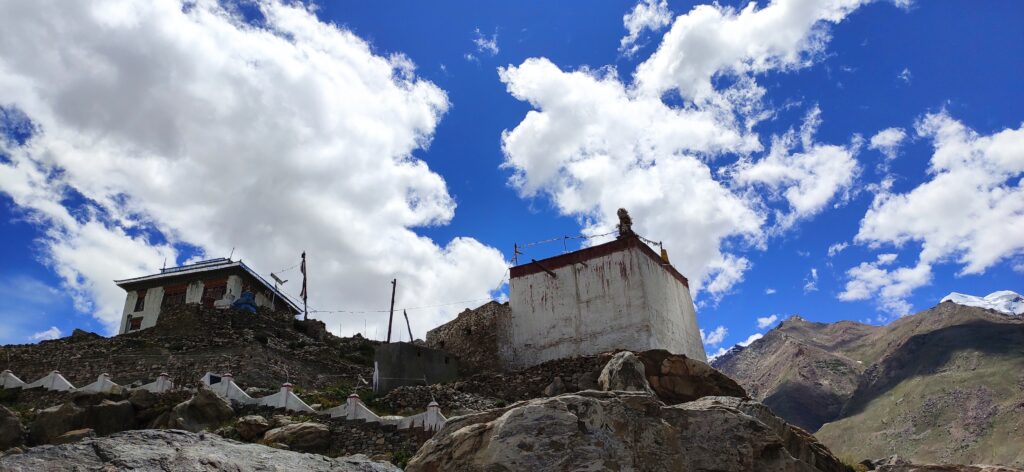
 Padum Khar Palace is a former Royal Palace, Situated on a small mountain near old town / old market of Padum which was abandon after 5 families of Buddhists accepted Islam and became Muslim in 2008, ever since the all shops of the old market are closed now which was once the crown of Zanskar. Just 1 Km of walking distance from Padum Market, overlooking the town of Padum and Junkhor area The palace is believed to have been built by king Shaklday in the 13th Century who was descendent of Nyatitsanpo of stod Kugay. The king had 3 sons and the eldest among them Sonamlday had ruled the Kingdom of Kis’htwar, the middle one Zamtaklday ruled Padum and the youngest one was given the charge of Zangla Palace, Since 15th century Zanskar has been subordinate to Ladakh, Sharing its fortunes and Misfortunes in 1822 a coalition of Kulu, Lahoul and Kinnaur invaded Zanskar, Plundering the country and destroying the Royal Palace at Padum until then Zanskar was an Independent kingdom. Every year in November Annual festival of sacred Mask Dance is being performed by the Monks of Bardans,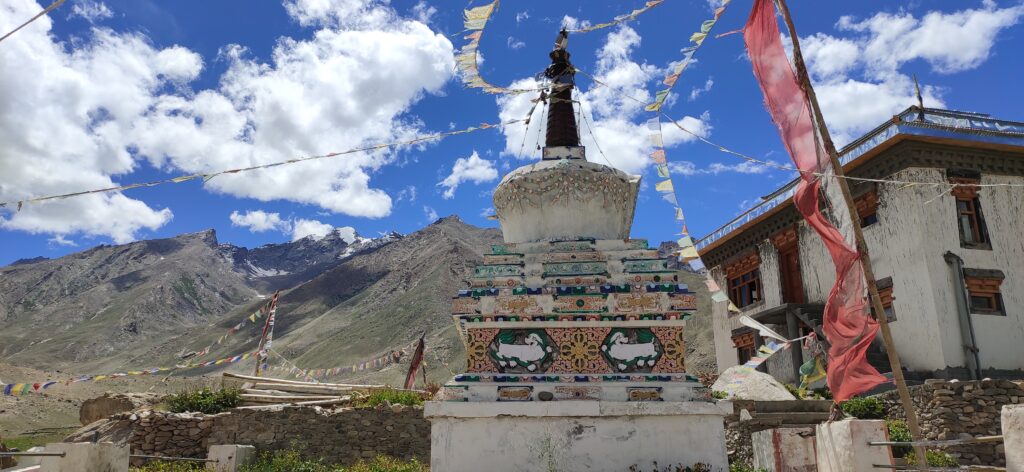
I do not even understand how I ended up here, however I believed
this post was good. I do not recognise who you might be but certainly you’re going to a famous blogger
should you are not already. Cheers!